
When it comes to choosing the perfect coffee, one of the first decisions you’ll face is whether to buy Whole Bean or Ground Coffee. Each has its advantages, depending on your preferences, brewing habits, and lifestyle. But if you’re serious about flavour and freshness, understanding the difference can take your coffee game to the next level.
In this guide, we’ll break down everything you need to know about Whole Bean vs Ground Coffee—from freshness and flavour to convenience and cost—so you can brew with confidence.
What is Whole Bean Coffee?
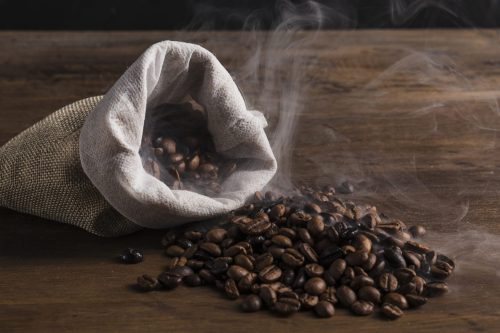
Whole bean coffee is exactly what it sounds like: coffee beans that have been roasted but not yet ground. These beans require grinding just before brewing, offering optimal control over grind size and freshness.
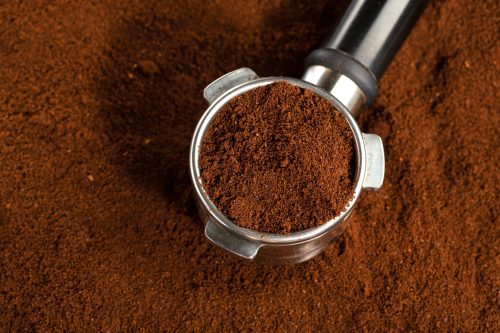
What is Ground Coffee?
Ground coffee has been roasted and pre-ground for convenience. It’s ready to use straight from the bag, with various grind levels available depending on your brewing method (e.g. coarse for cafetières, medium for drip machines, fine for espresso).
Comparison Between Whole Bean and Ground Coffee
1. Freshness
Whole Bean: Because the beans aren’t exposed to oxygen until you grind them, whole beans retain their freshness much longer. This preserves essential oils and aroma compounds, giving you a more vibrant cup every time.
Ground Coffee: Once coffee is ground, it begins to lose those oils and aromas rapidly. Even the best ground coffee will degrade if not used quickly, resulting in a less flavorful cup.
2. Flavour Quality
Whole Bean: Offers a fuller, richer cup. Grinding fresh before brewing enhances the complexity and depth of flavours. You’ll notice tasting notes—like chocolate, fruit, or spice—that often fade in pre-ground coffee.
Ground Coffee: Still tasty if fresh, but tends to be less dynamic. The flavours can flatten out over time, especially if the coffee is exposed to air, light, or moisture.
3. Convenience
Whole Bean: Less convenient, as you’ll need to grind your beans before each brew. This takes more time and requires a grinder.
Ground Coffee: Ready to go right out of the bag. Ideal for fast-paced mornings or quick single-cup brewing without extra tools.
4. Shelf Life
Whole Bean: When stored in a cool, dark place in an airtight container, whole beans can stay fresh for several weeks longer than ground coffee.
Ground Coffee: Degrades much faster due to increased surface area exposed to air. Even with good storage, it starts to lose flavour within days of opening.
5. Brewing Control
Whole Bean: Total control over grind size allows you to brew using any method—French press (coarse), pour-over (medium), espresso (fine), or cold brew (extra coarse).
Ground Coffee: You’re limited to the grind size you bought. For example, a medium grind won’t work well in an espresso machine or a cafetière.
6. Who It’s Best For
Whole Bean: Ideal for coffee lovers, home baristas, or businesses who want the best flavour and variety in their coffee experience.
Ground Coffee: Great for busy households, travel, or anyone who just wants a good cup with zero fuss.
Whole Bean vs Ground Coffee: Side-by-Side Comparison
Feature | Whole Bean Coffee | Ground Coffee |
Freshness | Stays fresh longer; grind just before brewing for peak flavour | Starts losing aroma/flavour soon after grinding |
Flavour Quality | Maximum flavour retention; best for connoisseurs | Can be less vibrant, especially if stored improperly |
Convenience | Requires a grinder and extra prep time | Super convenient and ready to brew |
Shelf Life | Longer shelf life if stored properly in an airtight container | Shorter shelf life due to oxidation |
Control Over Brew | Full control over grind size for different brewing methods | Limited control; you’re stuck with the grind size you buy |
Best For | Coffee enthusiasts, baristas, anyone serious about flavour | Busy drinkers, casual coffee lovers, those without a grinder |
Brewing Versatility | Great for experimenting with espresso, filter, cold brew, etc. | Suited to one or two brew styles depending on grind |
Storage Needs | Needs airtight storage to stay fresh | Requires airtight and fast consumption |
Which One Is Better for You?
Choose Whole Bean Coffee If:
- You want to maximize flavour and aroma.
- You own a coffee grinder or are willing to invest in one.
- You use different brewing methods (e.g. French press, espresso, pour-over).
- You enjoy the ritual of grinding and brewing fresh coffee daily.
Choose Ground Coffee If:
- You value speed and simplicity in the morning.
- You primarily use one brewing method.
- You don’t want to buy a grinder.
- You go through your coffee quickly and store it well.
How Freshness Affects Flavour
Coffee beans begin to lose flavour the moment they’re ground. That’s because grinding exposes more surface area to oxygen, causing essential oils and aromatics to degrade faster. Whole beans stay fresh longer, allowing you to enjoy more complex and robust flavours in every cup.
If you want your coffee to taste like it came from a barista, opt for whole beans and grind just before brewing.
A Note on Grinding at Home
Grinding might sound like extra work, but it’s incredibly worth it—especially when using hand Roasted Coffee from speciality brands like Cupsmith. A simple burr grinder can drastically improve your coffee quality and unlock flavour notes you never knew existed.
Final Thoughts
The choice between Whole Bean and Ground Coffee ultimately depends on your priorities. If you’re after convenience, ground coffee is a solid choice. But if you crave full flavour, flexibility, and café-quality brews at home, whole bean is the way to go.
Whatever you choose, always opt for fresh roasted coffee beans from trusted suppliers who prioritize quality and ethical sourcing.
Upgrade Your Brew with Cupsmith
At Cupsmith, we offer both Whole Bean and Roast & Ground Coffee in premium blends that are roasted in small batches for maximum freshness. Whether you’re a home barista or a casual sipper, you’ll find the perfect coffee for your taste and routine.
Discover the difference real freshness makes.